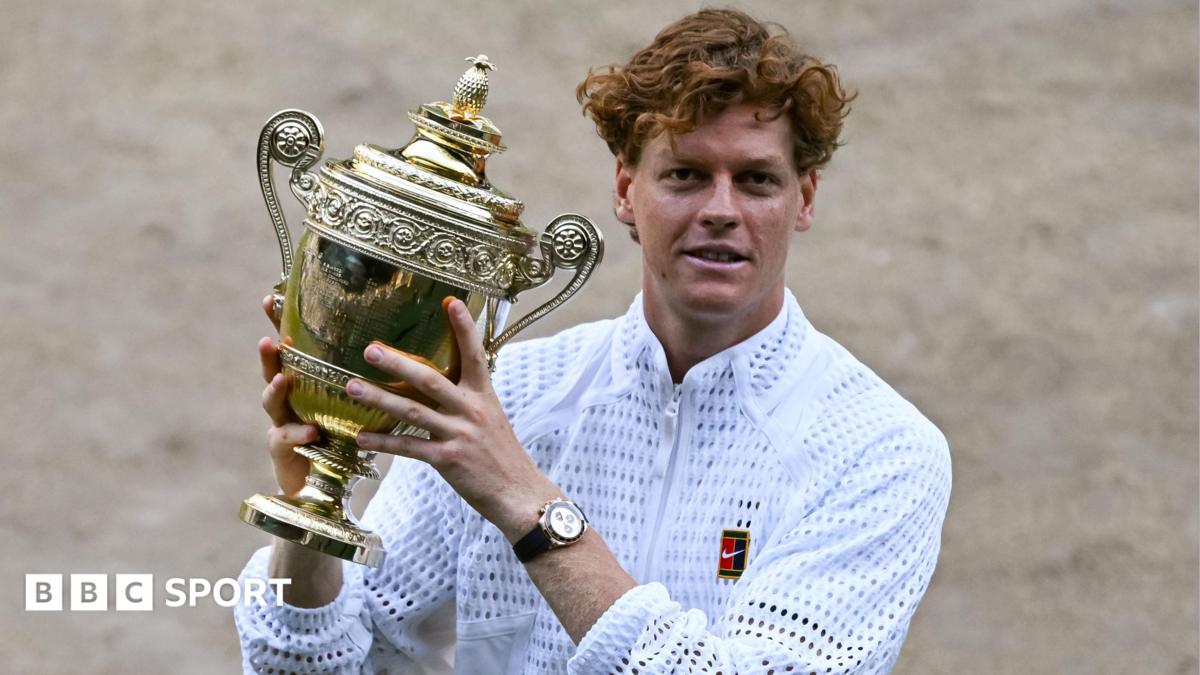
Jannik Sinner’s latest Wimbledon triumph is more than another trophy for the cabinet. It is a reminder that the Italian has developed into one of the sport’s most durable competitors, capable of absorbing setbacks and still producing his best tennis when the pressure is highest. BBC Sport’s framing of the final around a single defining point speaks to the wider story: Sinner’s rise back to the top has been built on composure, adaptation and an increasingly complete game.
For supporters and observers, the significance of a second Wimbledon title goes beyond the prestige of the event itself. Wimbledon remains the most symbolic stage in tennis, where technical quality, mental strength and physical discipline are tested in equal measure. Winning there twice places Sinner in a category of players who are not just talented, but dependable in the sport’s most demanding moments. That matters because elite tennis is often decided by margins, and Sinner’s ability to recover from disappointment suggests a champion with staying power rather than a one-off peak.
Why Sinner’s response to setbacks matters
The BBC’s description of Sinner as resilient is important because it points to a player whose progress has not followed a straight line. In modern tennis, the best players are judged not only by titles but by how they respond when momentum turns against them. Sinner’s Wimbledon success indicates that he has learned how to reset quickly, manage the emotional swings of a Grand Slam run and keep his level high deep into the tournament.
That is especially relevant at Wimbledon, where grass-court tennis rewards clarity under pressure. Points can be short, breaks of serve can be decisive and there is little room for extended recovery after a poor game. A player who can stay calm in those moments often gains an edge that is as psychological as it is tactical. Sinner’s latest title therefore suggests a competitor whose game is increasingly suited to the demands of the biggest stages.
What the title means for the wider race at the top
A second Wimbledon crown also strengthens Sinner’s broader standing in the men’s game. Titles at this level shape perception as much as rankings do, and repeated success at a major event tells rivals that a player is no longer simply emerging, but established. For fans, that creates a compelling narrative: Sinner is not just chasing the elite, he is helping define it.
From a tactical perspective, the fact that one point in the final could be seen as emblematic of his run suggests a player whose decision-making and shot tolerance are now central to his identity. That is the hallmark of a top champion. He is no longer being discussed only for potential, but for the consistency of his response when the stakes are highest.
For Wimbledon supporters, Sinner’s victory adds another chapter to a tournament that continues to reward players who combine skill with nerve. For the wider tennis audience, it is evidence that the Italian’s rise is not built on hype alone. It is built on the ability to take a setback, learn from it and return stronger.
Source note: This article was prepared using publicly available information from BBC Sport and expanded with editorial context.
Share this content: