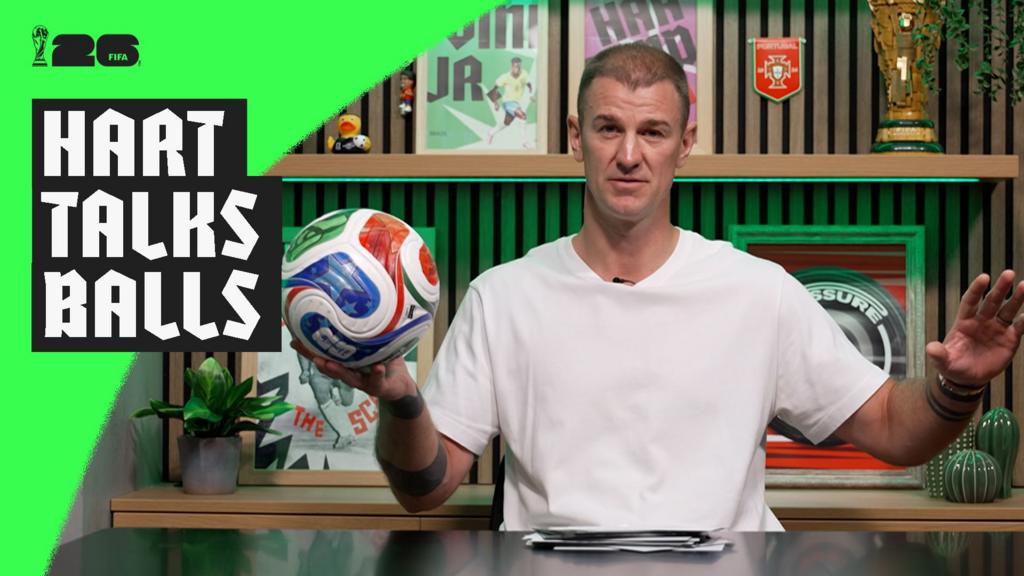
Goalkeepers are often the first to notice when a tournament ball behaves differently, and that is why Joe Hart’s assessment of the Trionda has struck a chord. The former England number one, who spent years dealing with the pressure of elite international football, has been asked to explain why keepers may be struggling with the World Cup ball and what that means in practical terms.
At major tournaments, the ball is never just a piece of equipment. It becomes part of the tactical conversation, especially when players believe it is moving unpredictably through the air or reacting differently on contact. For goalkeepers, even a small change in flight, grip or bounce can alter decision-making on crosses, set pieces and long-range efforts. That is why this discussion matters beyond a simple equipment debate: it goes directly to how teams defend and how chances are converted.
Why the ball matters for goalkeepers
Hart’s comments are relevant because keepers are judged on outcomes that often depend on fine margins. A ball that dips late, swerves unexpectedly or feels awkward to catch can increase uncertainty in high-pressure moments. In tournament football, where matches are often tight and decided by one goal, any factor that affects handling or positioning can have a wider impact on results.
For supporters, this kind of analysis helps explain why a goalkeeper may look at fault on a goal that is not as straightforward as it appears. It also adds context to the ongoing debate around World Cup balls, which regularly becomes a talking point whenever players feel the design is influencing performance. Hart’s perspective is especially useful because it comes from someone who has experienced the demands of top-level goalkeeping in England and on the international stage.
What it means for teams and supporters
If goalkeepers are having to adapt to the Trionda, then defenders and coaches may also need to adjust their approach. Teams could be more cautious about allowing shots from distance, more alert on dead-ball situations and more focused on protecting the goalkeeper from crowded penalty-area situations. In a tournament setting, those details can shape the rhythm of a match.
There is also a psychological element. When keepers are unsure about how a ball will behave, confidence can be tested, and confidence is central to the position. Hart’s explanation offers a reminder that elite football is not only about technique and tactics, but also about adapting quickly to conditions that can influence performance in subtle ways.
BBC Sport’s video does not claim the ball is the sole reason for any specific error, but it does place the issue in a wider football context. For fans, that makes the debate more than a curiosity. It becomes part of understanding how World Cup matches are shaped, and why goalkeepers may be facing an added challenge as the tournament unfolds.
Source note: This article was prepared using publicly available information from BBC Sport and expanded with editorial context.
Share this content: