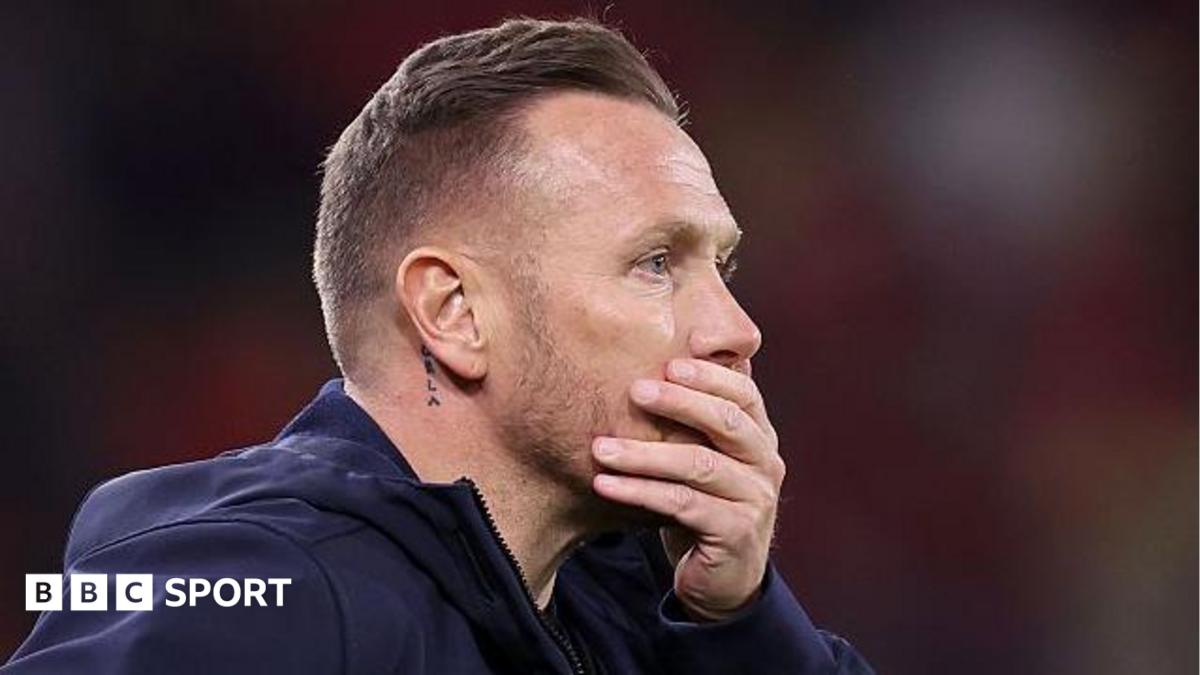
Craig Bellamy’s early months as Wales head coach have already attracted scrutiny beyond the pitch, with former team-mate Iwan Roberts claiming the ex-forward has “burnt a lot of bridges” after a proposed move to Burnley collapsed. The remark adds a fresh off-field angle to Bellamy’s return to international football and underlines how quickly managerial reputations can become part of the story before a ball is even kicked.
For Wales supporters, the issue is not simply the failed Burnley link. It is what that episode says about Bellamy’s standing in the game and the level of trust he now has to rebuild while leading a national side that needs stability. International management is often judged on results, but it is also shaped by relationships, perception and the ability to unite a dressing room and a wider football audience.
What the Burnley episode means for Bellamy
Bellamy’s proposed switch to Burnley did not materialise, and Roberts’ comments suggest the fallout may still be lingering. That matters because Wales are entering a period where the head coach’s authority and message will be tested as much by public narrative as by match outcomes. When a manager arrives with a strong personality and a high-profile playing background, the expectation is that he can command respect quickly. The downside is that any perceived friction becomes magnified.
Bellamy’s appointment with Wales was always likely to generate interest because of his profile as one of the country’s most recognisable modern players. But this latest discussion shifts the focus from his footballing identity to his relationships within the sport. For a national team, that can be significant: players and supporters often want clarity, consistency and a sense that the coach is fully committed to the role.
Why this matters for Wales
From a footballing perspective, Wales need Bellamy’s tenure to be defined by organisation, energy and a clear tactical identity rather than by external noise. The head coach’s challenge is to keep attention on the team’s performances and on the standards he wants to set. Any off-field controversy can distract from that process, especially when it involves questions about credibility and trust.
Roberts’ comments will inevitably fuel debate among supporters, but they also serve as a reminder that Bellamy’s job is about more than selection and tactics. He must manage perception, maintain unity and prove that his focus is firmly on Wales. If he can do that, the Burnley episode may become a footnote. If not, it risks becoming part of the wider conversation around his leadership.
For now, the story is less about a single failed move and more about the pressure that comes with being a high-profile national coach. Bellamy’s next steps with Wales will be watched closely, and not only for what happens on the field.
Source note: This article was prepared using publicly available information from BBC Sport and expanded with editorial context.
Share this content: