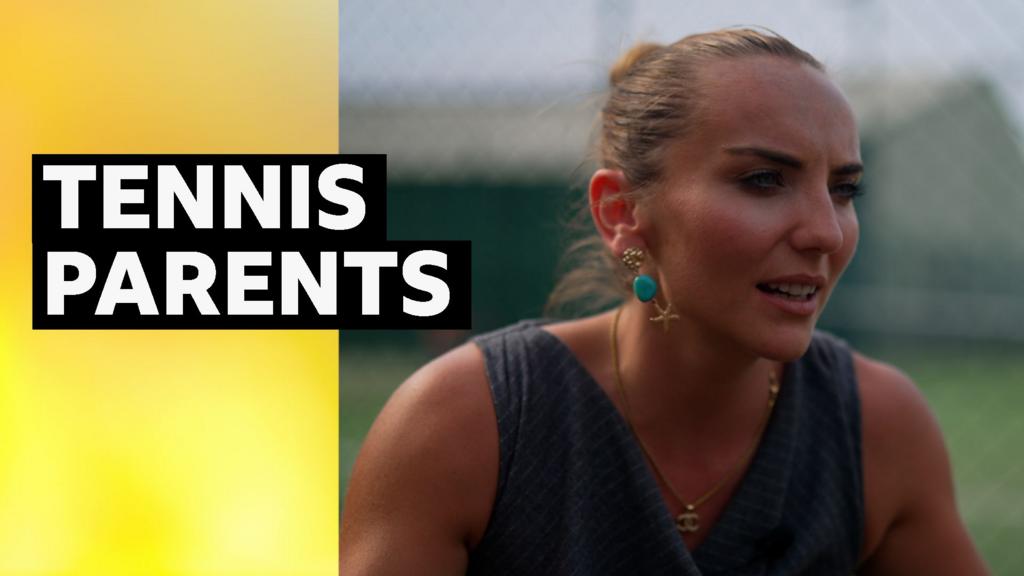
Tennis has long carried a reputation for intense parental involvement, and BBC Sport’s latest explainer turns that spotlight onto one of the sport’s most sensitive off-court issues: what it is actually like to be a tennis parent. The question matters because tennis is not a team sport with a shared academy pathway or a club structure that spreads responsibility. For many young players, the family unit becomes the first support system, the first funding source and, at times, the first source of pressure.
The BBC’s framing is important because it goes beyond the familiar stereotype of the overbearing parent. It points to a broader reality in elite tennis: the sport’s economics can distort behaviour long before a player reaches the professional ranks. When the reward at the top is measured in life-changing prize money, the chase for success can begin early, and that can make parents feel they must be coaches, managers, drivers, financiers and emotional stabilisers all at once.
Why tennis creates so much pressure at home
Unlike many sports, tennis often asks families to make major sacrifices before any return is guaranteed. Travel costs, coaching fees, equipment, tournament entries and time away from school or work can all add up quickly. That financial commitment can create a sense that every match matters, every ranking point matters and every setback is a threat to the investment already made. In that environment, even well-meaning parents can become overly involved.
BBC Sport’s question about what needs to change is therefore a structural one, not just a behavioural one. If the sport wants healthier development pathways, it has to consider how young players are supported, how parents are educated and how the burden of progression is shared. Otherwise, the same pressures that produce elite competitors can also produce burnout, conflict and damaged relationships.
What it means for players and supporters
For supporters, this is a reminder that the story of a tennis player begins long before the first televised final. The emotional and financial load carried by families is part of the hidden machinery of the sport. It helps explain why some young talents flourish under close parental guidance while others struggle when that guidance becomes control.
For players, the issue is even more personal. A parent can be the most important ally in a career, but the line between support and pressure is thin. The BBC’s explainer suggests that tennis still has work to do if it wants to protect that relationship while also producing the next generation of champions. That makes the topic relevant not only to families already inside the game, but to anyone concerned with how elite sport shapes childhood, ambition and identity.
In that sense, the conversation is bigger than one video. It is about the culture of tennis itself, and whether the sport can create a pathway that rewards talent without asking families to absorb so much of the strain.
Source note: This article was prepared using publicly available information from BBC Sport and expanded with editorial context.
Share this content: