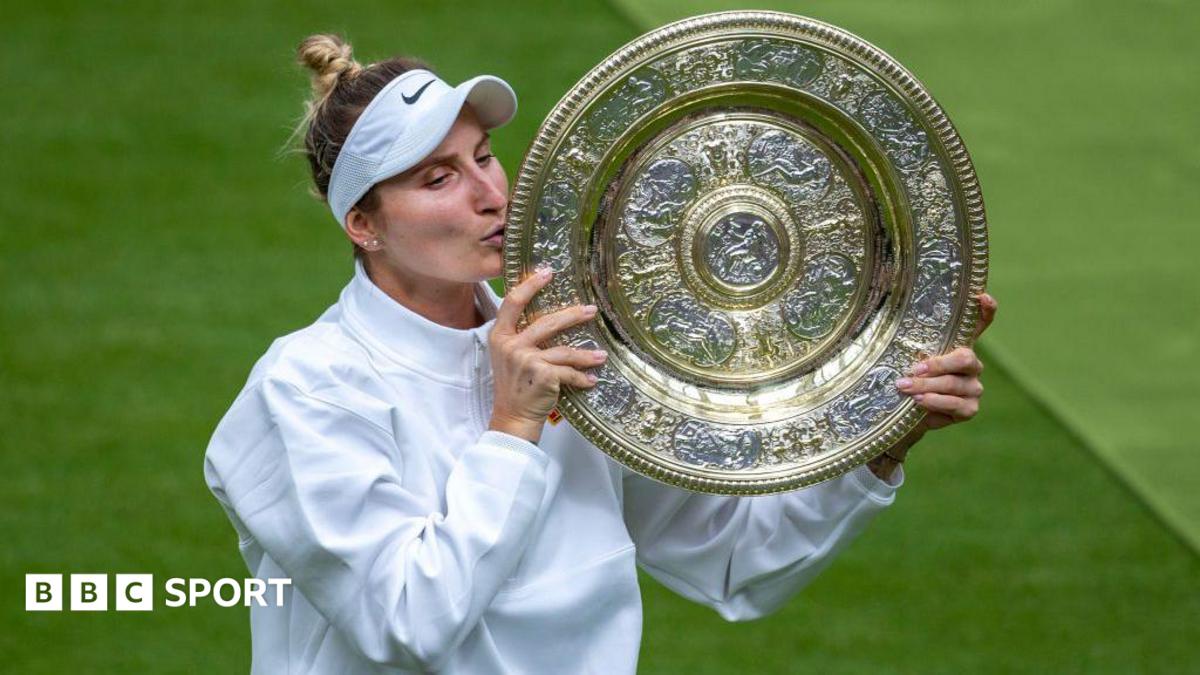
Former Wimbledon champion Marketa Vondrousova has been handed a four-year ban after refusing an anti-doping test, according to the BBC. The sanction is a major development for a player who has already reached the top tier of the women’s game and whose name carries significant weight in tennis beyond a single tournament run.
What the ban means
At face value, the ruling is straightforward: a refusal to comply with an anti-doping test has triggered a lengthy suspension. In practical terms, a four-year ban is one of the most severe penalties a professional player can face, and it effectively removes Vondrousova from the competitive landscape for a significant period. For a player with a Grand Slam title on her record, the impact is not only disciplinary but also sporting, reputational and financial.
For supporters, the news is difficult to separate from the broader issue of trust in elite tennis. Anti-doping procedures sit at the centre of the sport’s integrity framework, and any case involving a high-profile champion inevitably draws attention well beyond the individual player. The fact that the sanction stems from a refusal rather than a positive test will also sharpen debate around compliance, responsibility and the standards expected of professionals.
Why this matters for tennis
Vondrousova’s absence matters because players of her calibre shape draws, storylines and tournament expectations. A Wimbledon champion is not just another name on a list; she is part of the sport’s recent history and a benchmark for the next generation. Removing that profile from the tour for four years changes the competitive picture and leaves a notable gap in the women’s game.
From a tactical and sporting perspective, the loss of a left-handed, major-winning player also affects the variety that fans expect at the top level. Grand Slam champions often bring distinct match-up problems and a proven ability to handle pressure on the biggest stages. When one of those players disappears from the circuit, the field becomes less familiar and, in some respects, less proven.
There is also a wider lesson for the tour. High-profile disciplinary cases tend to become reference points for how governing bodies enforce rules and how players are expected to respond when tested. For younger professionals, the message is clear: compliance is not optional, and the consequences for failing to meet anti-doping obligations can be career-defining.
For now, the headline is stark. A former Wimbledon champion has been banned for four years, and the consequences will reverberate through the player’s career and the sport’s wider conversation about integrity.
Source note: This article was prepared using publicly available information from BBC Sport and expanded with editorial context.
Share this content: