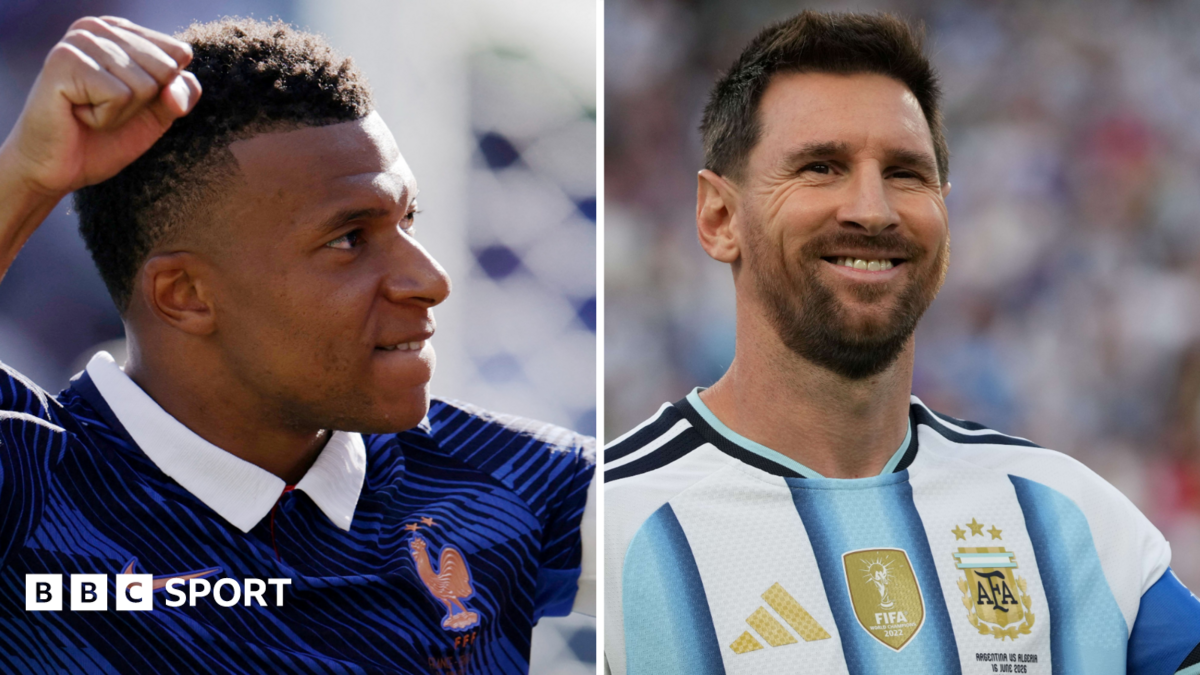
The World Cup is usually judged by goals, points and knockout permutations, but the commercial contest around it is just as intense. In BBC Sport’s latest football feature, the focus turns to Nike and Adidas and the way the two global giants use the tournament to fight for attention, influence and cultural relevance.
That matters because the World Cup remains the most visible stage in football. For brands, it is not simply a sponsorship opportunity; it is a chance to shape how the sport is seen by millions of supporters across different markets. The BBC’s framing underlines a modern reality: elite football is no longer only about what happens on the pitch, but also about how the game is packaged, presented and remembered off it.
The World Cup as a marketing arena
When a tournament reaches this scale, every major commercial partner is looking for a way to stand out. Nike and Adidas have long been central to football’s global identity, and their rivalry extends beyond kit design into storytelling, athlete association and the emotional pull of major events. The BBC’s article points to a World Cup environment in which brands are competing to entertain, not merely sell.
That distinction is important. Modern football audiences are highly media-savvy, and supporters often respond more strongly to campaigns that feel creative, humorous or culturally sharp than to straightforward product messaging. At a World Cup, where attention is fragmented across matches, highlights and social media, the most effective brands are those that can become part of the conversation rather than simply advertise into it.
Why supporters should care
For fans, this commercial battle is not a distraction from football so much as part of the ecosystem around it. The brands that dominate the tournament often help define its visual identity, from the kits worn by players to the campaigns that surround the event. That can shape how a World Cup is remembered long after the final whistle.
There is also a sporting angle. The biggest brands are tied to the biggest teams and the most recognisable players, so their success in the market often reflects broader power structures in the game. When Nike and Adidas compete at a World Cup, they are effectively competing for association with winning teams, iconic moments and the emotional loyalty of supporters worldwide.
BBC Sport’s feature is a reminder that football’s biggest tournament is now a dual contest: one played by the teams, and one played by the brands trying to own the narrative around them. For supporters, that makes the World Cup not only a sporting spectacle, but also a window into how modern football is marketed on a global scale.
Source note: This article was prepared using publicly available information from BBC Sport and expanded with editorial context.
Share this content: