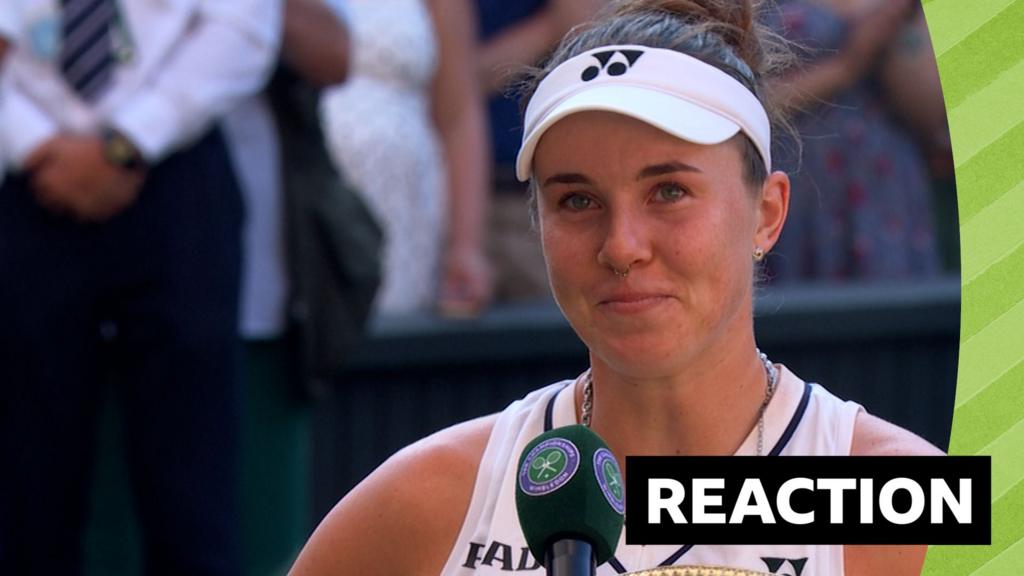
Linda Noskova’s Wimbledon victory was about far more than a trophy. The 21-year-old Czech produced the defining result of her career by beating compatriot Karolina Muchova in the 2026 women’s singles final, then immediately turned the moment into something deeply personal by dedicating the title to her late mother.
That emotional reaction matters because Grand Slam finals are usually remembered for tactics, shot selection and pressure management. This one also became a reminder of how much of elite tennis is played away from the scoreboard. Noskova’s words after the match — that all the blood, sweat and tears had been worth it — captured the release that follows years of training, travel and expectation. For supporters, it is the kind of victory that lingers because it feels bigger than one afternoon on Centre Court.
A final shaped by pressure and identity
An all-Czech Wimbledon final is itself a notable marker for the depth of the nation’s women’s game. When two players from the same country meet at the sport’s most famous tournament, the match becomes a test not only of form but of composure under the weight of shared familiarity. Noskova and Muchova know each other’s games well, which typically reduces the margin for surprise and increases the importance of discipline, patience and mental resilience.
For Noskova, the significance of winning at Wimbledon will extend beyond the immediate celebration. A first major title at this stage of a career can alter how a player is viewed by rivals, by the draw, and by fans who now have a new reference point for her ceiling. It also places her among the names that will be discussed whenever the next generation of women’s tennis is assessed.
What it means for Czech tennis and for Wimbledon
For Czech tennis, the final reinforces a long-standing reputation for producing technically complete and mentally tough women’s players. Even without additional detail from the source on the path to the final, the outcome alone signals that the country remains a serious force on the biggest stages.
For Wimbledon, the story adds another layer to the tournament’s enduring appeal: it is not only a showcase for elite performance, but also a stage where personal history can surface in the most public way possible. Noskova’s tribute to her mother gives the result emotional permanence, while Muchova’s presence in the final confirms the strength of the field and the competitiveness of the women’s draw.
For supporters, the takeaway is simple. This was a final that delivered both sporting significance and human meaning. Noskova did not just win Wimbledon; she turned the occasion into a tribute, a breakthrough and a statement about resilience all at once.
Source note: This article was prepared using publicly available information from BBC Sport and expanded with editorial context.
Share this content: