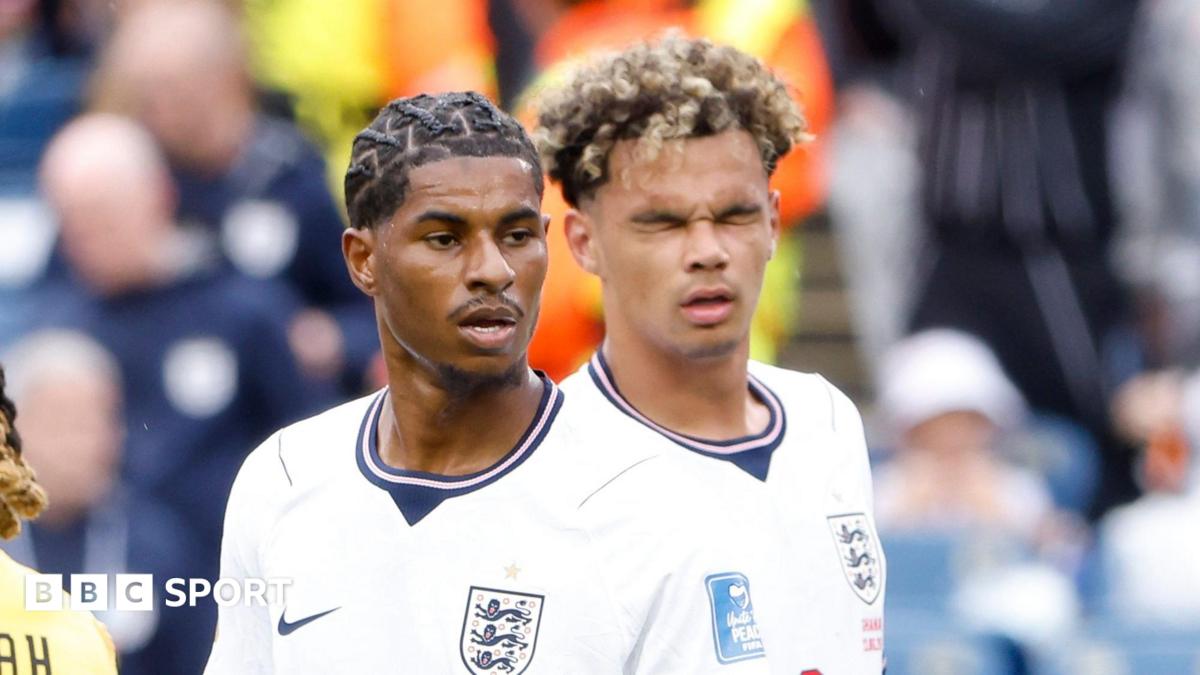
England’s selection conversation has quickly moved beyond simple rotation and into the broader question of how Gareth Southgate balances rhythm, freshness and tactical control in the next World Cup fixture against Panama. BBC Sport’s latest fan-led prompt centres on three familiar themes: whether Marcus Rashford should start, whether Nico O’Reilly and John Stones should come back into the side, and whether Declan Rice needs a rest.
That kind of debate is rarely just about individual names. It reflects the pressure on England to manage a tournament schedule carefully while still keeping the team sharp enough to impose itself. For supporters, the appeal is obvious: every change carries a tactical consequence, especially in a group-stage match where goal difference, control in midfield and defensive stability can all matter.
Why the Rashford question matters
Rashford’s inclusion is the most eye-catching of the selection calls. When England consider whether to start him, the discussion usually centres on pace, direct running and the threat he offers in transition. Against opponents likely to defend deep, a wide forward who can attack space quickly can change the tempo of a match. At the same time, starting him also affects how England structure their pressing and how much protection they need behind the ball.
For a side expected to dominate possession in stretches, the choice is not simply about attacking talent. It is about whether England want a winger who stretches the pitch from the first whistle or one who can be used later to exploit tired legs. That is the kind of decision that often defines tournament football.
Stones, O’Reilly and Rice: balance versus continuity
The mention of John Stones points to England’s need for calmness and organisation at the back. Stones is often associated with progression from defence and composure under pressure, qualities that can help England build attacks cleanly and defend with the ball. Bringing him back in would also signal a preference for control and experience.
Nico O’Reilly’s inclusion in the debate suggests a willingness to consider younger or less established options, especially if Southgate wants energy and flexibility in the side. Even without over-reading the selection hint, his presence in the conversation underlines how England’s squad depth is being tested by the demands of the tournament.
Rice, meanwhile, is the player who often holds the system together. The question of whether he should be rested is significant because his role is usually tied to defensive screening, second-ball recovery and helping England maintain structure when full-backs or midfielders push on. Resting him could preserve energy for later stages, but it would also remove one of the team’s most reliable stabilisers.
For supporters, the bigger picture is clear: England are at the stage where every lineup decision is about more than one match. It is about preserving momentum, protecting key players and making sure the team is ready for the sharper tests that come later in the tournament. Panama may be the immediate focus, but the choices made now could shape England’s route through the group and beyond.
BBC Sport’s interactive selection prompt captures that tension neatly. England’s best XI is not just a matter of picking the most talented names; it is about choosing the right blend of control, pace and resilience for the specific demands of the occasion.
Source note: This article was prepared using publicly available information from BBC Sport and expanded with editorial context.
Share this content: