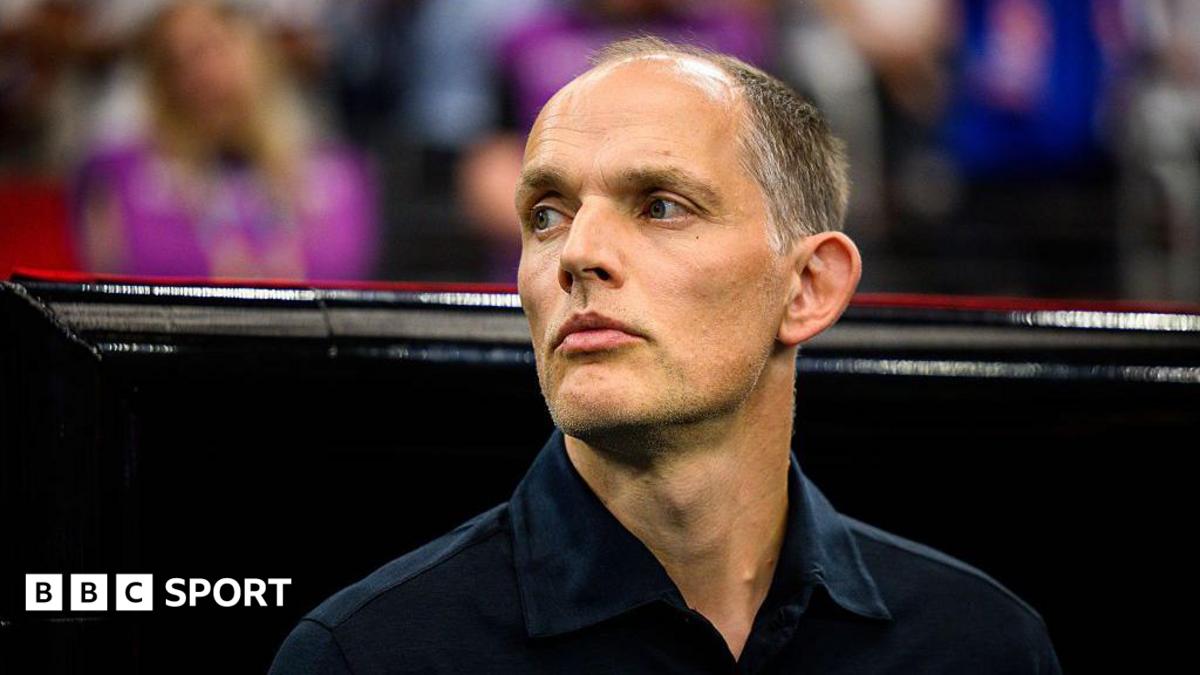
England’s opening World Cup win over Croatia did more than deliver three points. It also offered an early, useful comparison between Thomas Tuchel’s version of the national team and the more controlled, possession-conscious England that supporters came to know under Gareth Southgate.
The 4-2 scoreline suggests a game played at a higher tempo and with more risk than many of England’s recent tournament outings. That matters because Southgate’s teams were often built around structure, caution and game management, especially in the biggest matches. Tuchel’s England, by contrast, appear to be leaning into a more intense and direct style that asks more of the players without the ball and encourages quicker transitions when possession is won.
A sharper, more aggressive England
The BBC’s framing of the match as a departure from Southgate’s “more measured approach” is significant. England supporters have long debated whether the national side should prioritise control or take more attacking risks. A 4-2 win in a World Cup opener is not just a positive result; it is evidence that the team may be willing to accept a more open contest if it increases their ability to create chances and impose themselves higher up the pitch.
That can have tactical consequences. A more intense England can press earlier, recover the ball faster and attack with more numbers. But it can also leave space behind the midfield and defence, which makes balance crucial. For supporters, the appeal is obvious: more urgency, more attacking intent and a clearer sense that England are trying to win games on the front foot rather than simply avoid defeat.
What it means for England’s tournament path
Opening matches do not decide tournaments, but they often shape the mood around a squad. A convincing win gives Tuchel room to build momentum and reinforces the idea that this England side may be evolving tactically rather than simply inheriting Southgate’s blueprint. It also raises the standard for what comes next, because once a team shows it can play at that intensity, fans will expect consistency.
For Croatia, the result is a reminder of how punishing World Cup football can be when an opponent combines pace, physicality and attacking confidence. For England, the bigger question is whether this sharper identity can hold up against stronger opposition later in the competition. If it can, Tuchel may have given the national team a more adaptable and more dangerous tournament profile than the one many supporters had become used to.
What is already clear is that England’s opening performance has reignited a familiar debate: whether this team is at its best when it controls games carefully, or when it plays with the kind of intensity that turns a World Cup match into a statement.
Source note: This article was prepared using publicly available information from BBC Sport and expanded with editorial context.
Share this content: