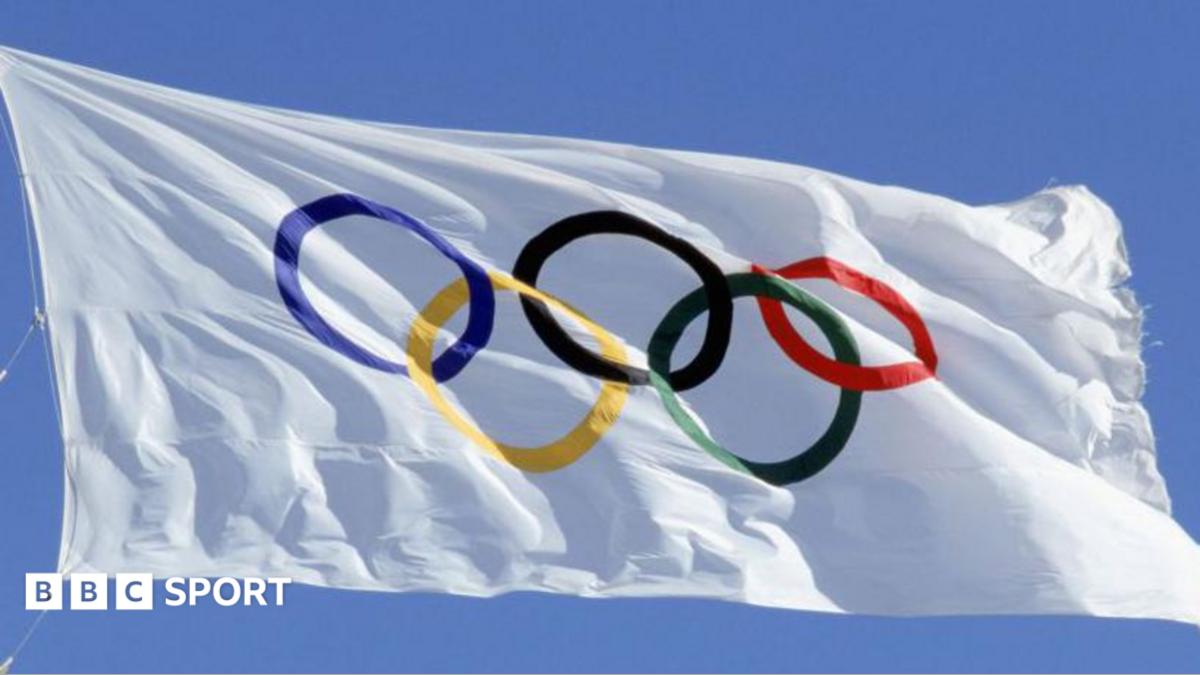
The prospect of Russian athletes returning to the Olympic stage under their own flag at Los Angeles 2028 has moved a step closer after the International Olympic Committee provisionally lifted Russia’s suspension. It is an important development, but not a final one, and the practical route back into full Olympic participation still depends on how individual sports and governing bodies respond over the coming years.
For supporters and athletes alike, the significance is not just symbolic. Competing as a nation at the Olympics carries political, sporting and emotional weight, and the difference between neutral participation and national representation is substantial. The IOC’s move suggests the door is no longer shut, yet the wider Olympic system remains fragmented, with federations able to apply their own eligibility rules and sanctions.
What the IOC decision means
The BBC report indicates that Russian athletes could be allowed to compete for their country at the 2028 Games in Los Angeles after the IOC’s provisional suspension lift. That wording matters. A provisional change is not the same as a guaranteed return, and it leaves room for further review, conditions or pushback from other sporting authorities.
This is especially relevant because the Olympic movement has already shown that a central IOC recommendation does not automatically translate into uniform acceptance across sports. In May, World Athletics rejected an IOC recommendation that a ban on Belarusian athletes and teams competing under their national flag should be lifted. That decision underlines how contested the issue remains, and how much influence individual federations still have over the final shape of Olympic participation.
Why the issue matters beyond 2028
The LA 2028 conversation is about more than one Games. It speaks to the broader question of how international sport handles suspended nations, athlete eligibility and the balance between political pressure and competitive fairness. For Russian athletes, the possibility of returning under their own flag would restore a layer of identity and recognition that has been absent during suspension. For rivals and governing bodies, it raises questions about consistency, precedent and the standards required for reinstatement.
For Olympic followers, the story is a reminder that the road to Los Angeles is not only about venues, medals and qualification systems. It is also about governance, diplomacy and the rules that determine who gets to stand on the start line. The IOC’s provisional move is therefore best viewed as the opening of a process rather than the end of one.
What happens next will depend on whether the IOC’s stance is matched by the wider sporting world. Until then, Russia’s potential return to the Olympic Games remains a developing issue rather than a settled outcome.
Source note: This article was prepared using publicly available information from BBC Sport and expanded with editorial context.
Share this content: