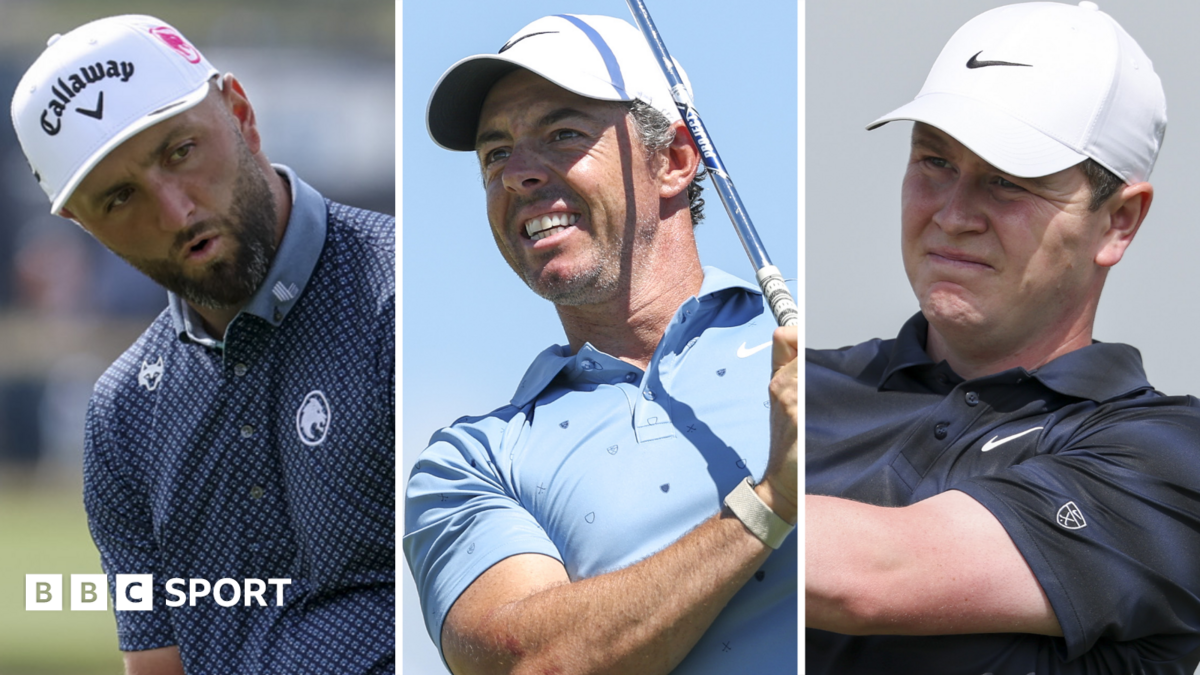
The Scottish Open arrives with the kind of attention that usually follows a tournament sitting at the crossroads of prestige, preparation and pressure. According to BBC Sport’s preview, Jon Rahm’s return is one of the main talking points, while course changes also shape the early narrative around the 2026 Genesis Scottish Open.
For a field that often blends elite names with players trying to force their way into bigger conversations, that combination matters. Rahm’s presence alone raises the profile of the week, but the mention of course alterations suggests the test may not be a simple repeat of previous editions. In golf, even modest changes can alter strategy: landing areas tighten, preferred lines shift and players who rely on control rather than raw power can suddenly find themselves better suited to the layout.
Why Rahm’s return matters
Rahm remains one of the most significant names in the game, and any return to a major European event immediately changes the competitive temperature. For supporters, it means a stronger headline act and a clearer sense that the tournament is being treated as a serious stop rather than a routine warm-up. For rivals, it means the margin for error narrows. Rahm’s ability to control scoring stretches and respond under pressure makes him a natural focal point whenever he tees it up.
The BBC preview also places Alex Fitzpatrick and Rasmus Hojgaard in the frame, underlining the mix of established quality and emerging talent that gives the Scottish Open its appeal. That blend is part of the event’s identity: it is not only about who wins, but about who uses the week to build momentum for the rest of the season.
Course changes could shape the contest
Any course changes are worth watching closely because they can influence the type of player who thrives. A venue that rewards precision off the tee, disciplined iron play and strong putting tends to compress the field and keep more players in contention deeper into the weekend. If the changes make the course more demanding, the event becomes even more tactical, with patience and course management likely to matter as much as aggressive scoring.
That is what gives the Scottish Open its wider importance. It is not just a standalone title; it is a form check, a tactical examination and, for some players, a chance to prove they can adapt quickly when conditions or setup change. For supporters, that usually means a tournament with genuine uncertainty and a leaderboard that can shift quickly.
With Rahm back in the mix and the course itself under scrutiny, the 2026 Genesis Scottish Open already has the ingredients for a compelling week. The BBC preview points to a tournament where star power and setup changes could combine to create a more revealing contest than usual.
Source note: This article was prepared using publicly available information from BBC Sport and expanded with editorial context.
Share this content: