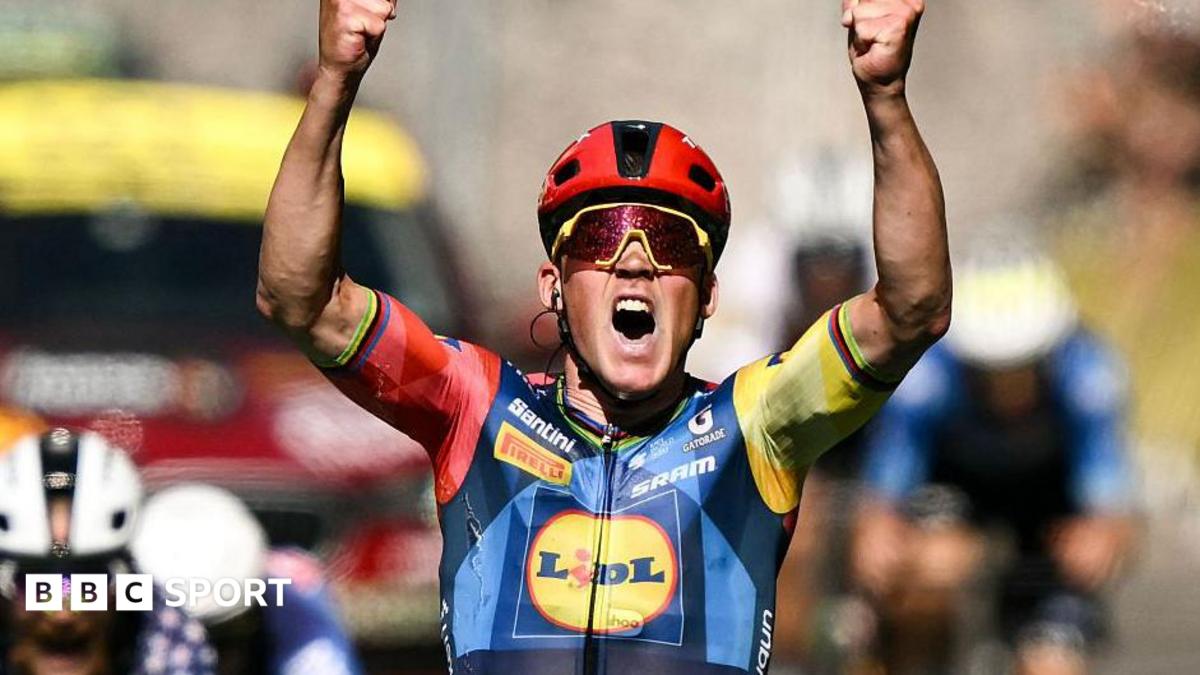
The early shape of the Tour de France changed dramatically on stage four, with Mads Pedersen taking the win from a breakaway and Tadej Pogacar losing the yellow jersey in the heat. For a race that is still in its opening phase, the result matters well beyond one stage: it shows how quickly the general classification can be disrupted when the road, the pace and the weather all combine.
Pedersen’s victory underlines the value of timing and patience in a Grand Tour. Breakaways are often controlled, then dismissed, but when the right group gains enough freedom and the peloton hesitates, the stage can be decided far from the finish-line drama that casual viewers expect. That is especially important in a Tour where teams are already balancing sprint opportunities, breakaway threats and the need to protect their overall contenders.
Pogacar’s early setback changes the race picture
Pogacar slipping from yellow to fourth is not a terminal blow to his Tour ambitions, but it is a reminder that even the strongest favourites can be forced onto the back foot by conditions rather than pure climbing or time-trial weakness. In the opening week, riders are often dealing with nervous positioning, crosswinds, heat and repeated efforts that can expose small gaps in form or team support. Losing the jersey this early does not decide the race, but it does alter the psychological balance.
For supporters, the immediate takeaway is that the Tour has already become more open than a straightforward title defence narrative. Pogacar remains central to the race, yet the yellow jersey changing hands so soon gives rivals a visible target and a reason to believe the defending champion can be pressured. That can influence how teams ride in the coming stages, particularly if they sense an opportunity to force more work onto Pogacar’s squad.
What Pedersen’s win means for the rest of the Tour
Pedersen’s stage win also carries wider tactical significance. A rider who can survive or thrive in a breakaway on a day like this becomes a factor that other teams must account for, because it changes how aggressively they can chase and how much energy they can afford to spend. In a three-week race, those calculations matter as much as raw power.
With the Tour still young, the standings are far from settled, but stage four has already delivered a meaningful shift. Pedersen gets a marquee win, Pogacar loses the jersey, and the race moves into its next phase with more uncertainty than many expected. For fans, that is exactly the kind of early turbulence that can make a Grand Tour compelling: one hot day, one successful breakaway and one major contender suddenly having to respond rather than dictate.
Source note: This article was prepared using publicly available information from BBC Sport and expanded with editorial context.
Share this content: